Daana Bazaar
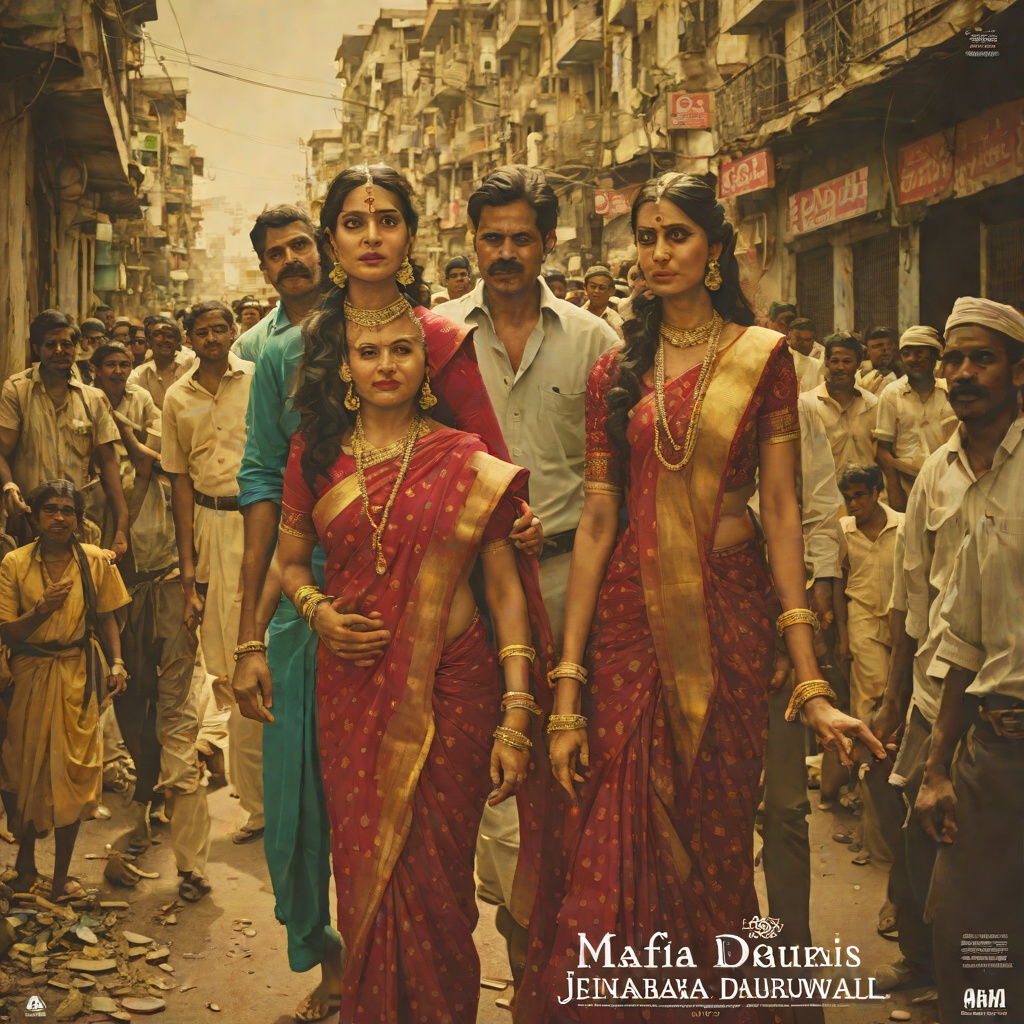
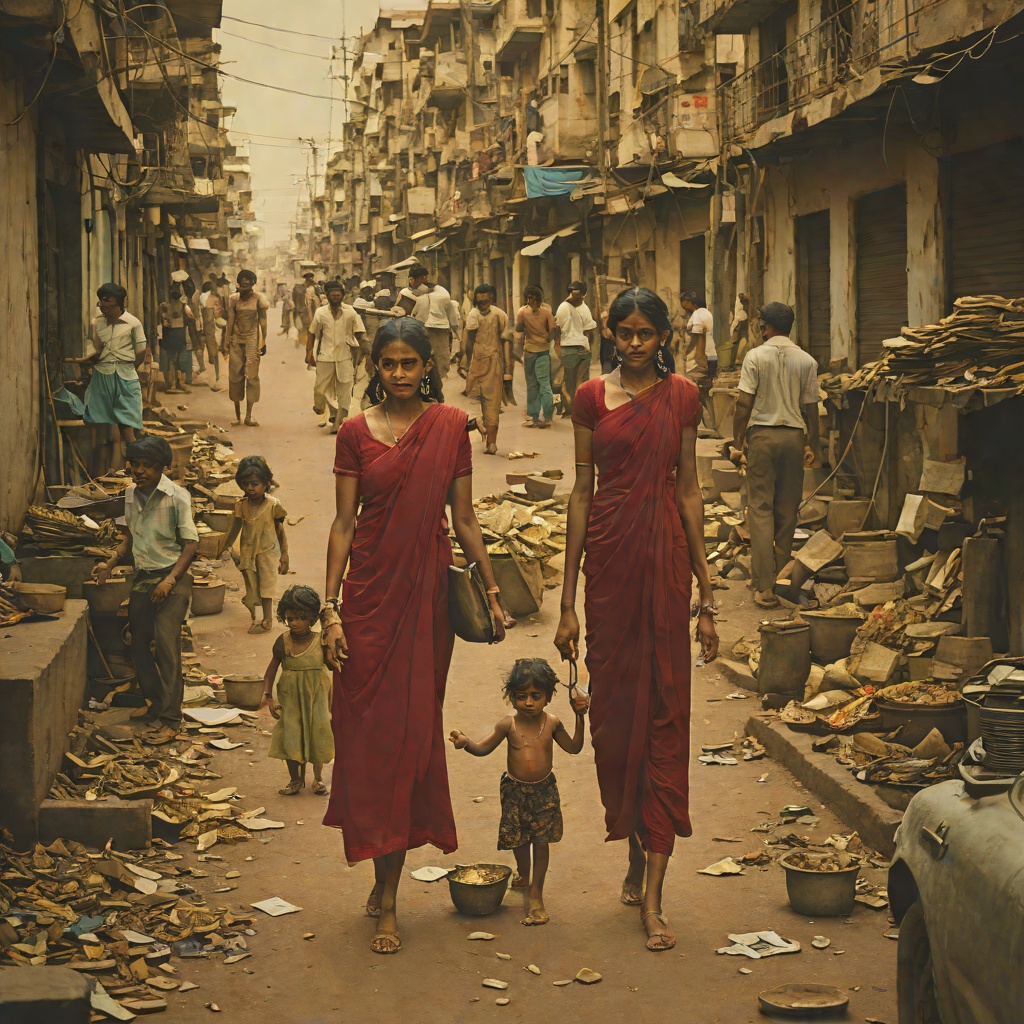
Mafia Queens of MumbaiDaana Bazaar, the sprawling wholesale grain market at Masjid Bunder in 1940s Mumbai, was a place where the city's most basic necessity—food—became the currency of survival and crime. Located close to the Muslim-dominated neighborhood of Dongri, the market was the epicenter of the grain trade in a city reeling from the aftermath of Partition. It was here that Jenabai Daaruwali, a Memon woman abandoned by her husband, transformed herself from a desperate mother into a formidable broker of smuggled grain, earning the moniker 'Jenabai Chaavalwaali' and laying the foundation for a life that would see her become one of Mumbai's most influential underworld figures.
The Setting and Its Significance
Daana Bazaar's importance was rooted in the profound scarcity that gripped Mumbai after the Partition of India in 1947. With most of the country's farmlands having gone to Pakistan, the city faced an acute shortage of grains and lentils, and the middle classes began to feel the pinch. The government's rationing system, which distributed limited food essentials to ration-card holders, proved inadequate, especially for the Muslim community, for whom rice—particularly basmati—was a staple integral to dishes like pulao and biryani. This scarcity created a desperate demand that the official system could not meet, and it was into this void that the illegal trade in smuggled grain flowed. Daana Bazaar, as the major wholesale market, was the natural hub for this illicit commerce, a place where the lines between legitimate trade and criminal enterprise blurred.
Jenabai's Rise as a Grain Broker
In need of quick money to sustain her family, Jenabai began working as a broker for smuggled grain at Daana Bazaar, playing intermediary to wholesalers and dealers of lentils, pulses, sugar, and basmati rice. Her method was simple yet effective: she would procure foodgrain in bulk from the wholesalers on a commission, then sell this grain to dealers who would sell it for a higher price and give her a margin of the profits. She also sold grain directly to the people who lived with her in her tenement. This trade was illegal—hoarding and trading in grain without a licence was punishable by law—and the police raided Jenabai's room at the Chunawala Building several times, but they never managed to get enough evidence to book her. Her success was partly due to her identity as a Memon, which made her fluent in Gujarati, allowing her to interact easily with the wholesalers and traders, most of whom belonged to the Gujarati community. These traders soon began to refer to her as 'sister' or Jenaben, and since her dealings were mostly in rice (chaaval), the title 'Chaavalwaali' (one who deals in rice) became suffixed to her name, and locals in Dongri and Daana Bazaar began calling her Jenabai Chaavalwaali.
The Broader Criminal Economy
Daana Bazaar was not an isolated phenomenon but part of a larger web of illicit economic activity that defined Mumbai's underworld. The same forces that drove Jenabai to smuggle grain—scarcity, poverty, and the failure of state systems—also fueled the careers of other criminal figures. Haji Mastan, who would later become Mumbai's most notorious gold smuggler, had started off as a mechanic before moving to the Mumbai docks as a coolie in 1944, where he unloaded boxes and containers from ships coming from Aden, Dubai, and Hong Kong. In the years to come, he made millions of rupees from smuggling gold, silver ingots, and electronic goods, and along with Karim Lala and Vardharajan Mudaliar, went on to form one of the most formidable gangs in Mumbai. The market at Daana Bazaar, with its trade in essential goods, was a precursor to these larger criminal enterprises, demonstrating how the city's underworld was built on the back of basic human needs.
Legacy and Connection to Other Underworld Economies
The pattern established at Daana Bazaar—of a woman using her wits and local connections to carve out a profitable niche in an illegal trade—would be repeated across Mumbai's underworld. Decades later, in the Sion-Koliwada slum, Mahalaxmi Papamani would build a drug empire with a similar business model, buying five kilogrammes of heroin for one to three lakh rupees, converting ten grams into forty pudis, and selling each pudi at twenty-five rupees, making a profit of around three lakh rupees per month. Like Jenabai, Papamani was an illiterate slum-dweller who outsmarted her mentors and built a full-fledged empire, converting her slum into a drug den and becoming the poor man's bank, keeping thirty to forty lakh rupees in cash tucked inside her sari. The journey from Daana Bazaar to the drug dens of Sion-Koliwada and the gold-smuggling routes of the docks was a continuous thread in the fabric of Mumbai's criminal economy, a world where women like Jenabai and Papamani proved that crime was not only a way of transcending poverty but also a life-saving concept. These women were not blank slates written upon by dangerous male mafia members; they were active agents who pushed the boundaries of dominant moral codes, and Daana Bazaar was where one of the most remarkable of them began her ascent.